
Expanded Polystyrene (EPS), commonly known as geofoam in civil engineering, is a lightweight, versatile material used extensively across various construction and infrastructure projects. This page will explore the numerous applications and benefits of geofoam within the civil engineering industry, highlighting why it has become an essential component in modern construction.
What is Geofoam?
Geofoam refers to several grades of expanded polystyrene that manufacturers specifically produce for geotechnical applications. It is a lightweight, rigid foam material that provides substantial structural support while minimising added weight.
Geofoam’s low density and high compressive strength make it suitable for a variety of construction projects, providing both economic and structural advantages.

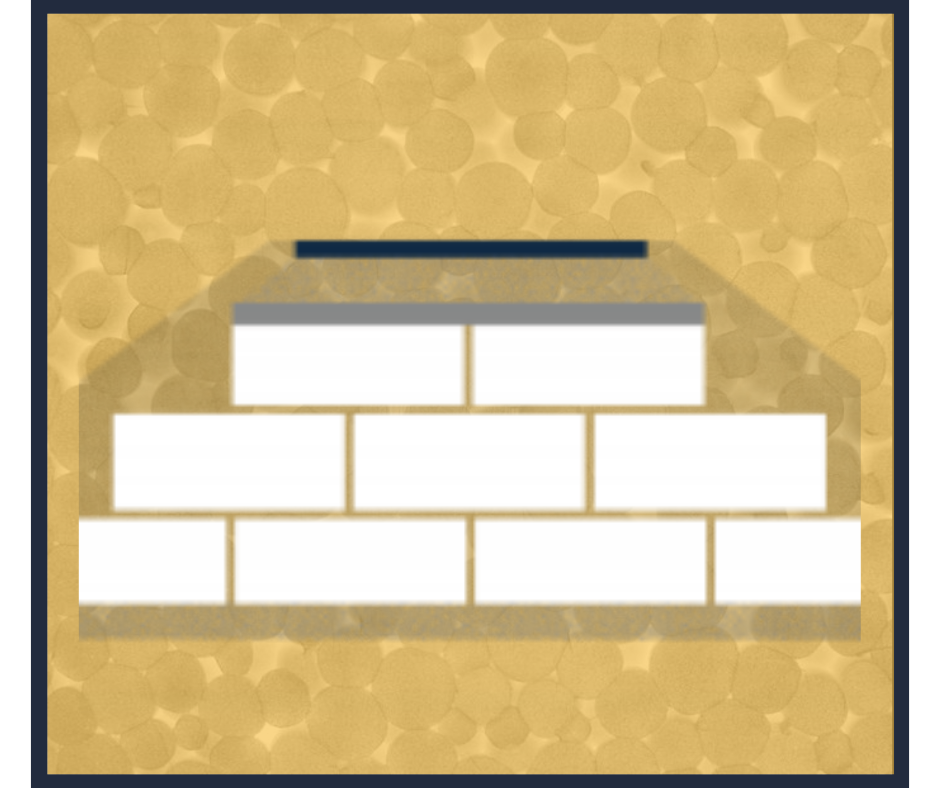
Polystyrene is frequently used in road construction to minimise settlement and improve load distribution. By reducing the weight on soft soils, geofoam helps maintain the integrity of roadways and prevents long-term settling and cracking.

In bridge construction, polystyrene can be used to create lightweight embankments and abutments. This reduces lateral pressure on retaining structures and helps in the stabilisation of bridge approaches.

In areas prone to landslides or slope instability, geofoam can be utilised to reinforce slopes without adding significant weight. This helps in maintaining the natural landscape while ensuring safety and stability.

You can use polystyrene behind retaining walls to reduce earth pressure and improve wall stability. This application benefits urban settings, where space is limited and traditional backfill materials might not be suitable.

Contractors can use geofoam in foundation construction to alleviate pressure on underlying soils, making it ideal for areas with poor soil conditions. By incorporating polystyrene, engineers can ensure stable and uniform load distribution, reducing the risk of uneven settlement and structural damage over time.

Utilise geofoam in utilities for lightweight fill applications, such as supporting pipelines and infrastructure, which reduces the load on underlying soils. Additionally, use it to create insulated covers for utility trenches to help maintain temperature and protect sensitive equipment from environmental factors.

You can use geofoam to create stable, lightweight fill in areas with significant elevation changes, which helps minimize settlement and reduce lateral loads on underlying structures. Its high compressive strength and ease of installation make it an ideal material for slope stabilisation and earth retention in both civil engineering and landscaping projects.
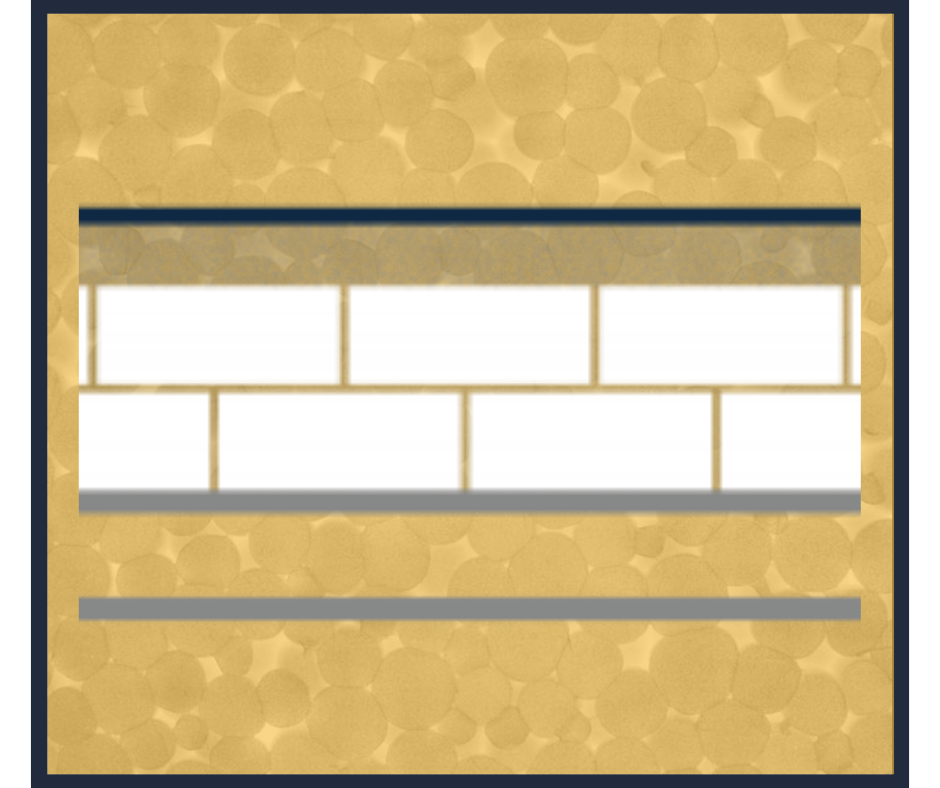
You can utilise polystyrene in weight reduction structures by replacing traditional materials with lightweight geofoam blocks, which significantly decreases the overall load on the foundation. This innovative approach not only minimises structural stress but also enhances stability and reduces construction costs.
Advantages of Using Polystyrene

Lightweight
Polystyrene is exceptionally lightweight, reducing the load on underlying soils and structures. This characteristic makes it ideal for projects where soil stability is a concern.

High Compressive Strength
Despite its low weight, geofoam offers high compressive strength, making it suitable for supporting heavy loads without significant deformation.

Ease of Installation
Geofoam blocks are easy to handle and install, allowing for faster construction times and reduced labour costs.

Versatility
You can shape and customise polystyrene to fit specific project requirements, making it a versatile choice for various applications.

Environmental Benefits
Polystyrene is 100% recyclable and has a low environmental impact compared to other construction materials.
Geofoam is a revolutionary material in the civil engineering industry, offering a multitude of benefits for various construction and infrastructure projects. Its lightweight nature, combined with high compressive strength, makes it a preferred choice for engineers and architects alike. By incorporating geofoam into your next project, you can achieve structural integrity, cost efficiency, and environmental sustainability.
For more information on how geofoam can be integrated into your construction projects, please contact our team of specialists who can provide tailored advice and solutions to meet your needs.
You can be sure, with us, your polystyrene products are not harming our future.
Molygran – your partner in excellence.